

If you’re eating clean, exercising consistently, and sleeping through the night yet still feel like you’re running on empty, you’re not alone. Across health forums and in conversations with friends, a common, frustrating story is emerging: women in their 40s and 50s are experiencing a profound, unexplained exhaustion that defies all the standard wellness advice. This isn't about needing more sleep or cutting back on coffee. It’s a deeper, more fundamental shift happening inside your cells, driven by the hormonal transition of perimenopause. This article explains why your tried-and-true energy strategies are failing and what’s really happening at a cellular level to cause this unique energy crash.
The Invisible Failure: Why Exercise and Sleep Aren't Restoring Your Energy
You’ve followed the playbook for vibrant health, yet your energy reserves are perpetually on zero. This experience of fatigue that doesn't go away despite doing everything right is a hallmark of perimenopause for many active, health-conscious women. The standard advice—get more rest, move your body, eat your greens—assumes your body’s energy-production system is functioning normally and just needs fine-tuning. During perimenopause, that assumption is fundamentally wrong. The problem isn't a lack of effort on your part; it's that the hormonal fluctuations of this life stage are directly sabotaging your cellular power plants, making traditional recovery methods insufficient. You can sleep eight hours and still wake up feeling unrefreshed, or complete a workout and feel drained for days instead of energized. This disconnect between action and result is what makes this fatigue feel so personal and defeating.

Hormonal Sabotage: How Estrogen Fluctuations Disrupt Mitochondrial Function
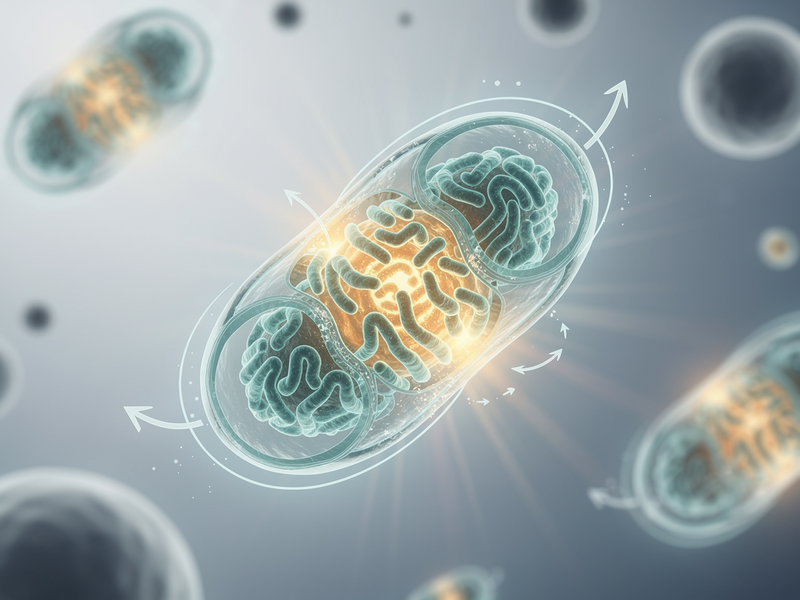
To understand your energy crash, you need to look inside your cells at the mitochondria. Think of these as tiny batteries producing ATP, the currency of energy for everything your body does. Estrogen, beyond its reproductive roles, is a key regulator of mitochondrial function. It helps protect these cellular batteries, enhances their efficiency, and supports the production of ATP. As estrogen levels begin their erratic decline and unpredictable swings during perimenopause, this support system falters. Your mitochondria become less efficient and more prone to damage, leading to a direct drop in ATP output. This is why you can feel utterly drained even after a full night's sleep—your cells are struggling to generate basic energy.
Estrogen's Role in Mitochondrial ATP Production
Estrogen acts like a master conductor for your cellular energy orchestra. It influences how mitochondria use oxygen and nutrients to create ATP and helps manage inflammation that can damage these delicate structures. Specifically, estrogen supports the electron transport chain, the final and most important stage of ATP production. When estrogen levels plummet or spike unpredictably, this conductor is missing, and the energy production process becomes chaotic and inefficient. The mitochondria have to work harder to produce less energy, creating a significant internal energy deficit. Menopause impacts human brain structure, connectivity, energy metabolism, and...
Progesterone Decline and the Stress on Your System
While estrogen gets most of the attention, progesterone's peaceful, calming influence is also crucial. Its decline can leave your nervous system in a more stressed state, which is energetically expensive for your body to maintain. Progesterone has a natural calming effect on the brain and helps promote deep, restorative sleep. As it drops, your body may remain in a higher state of low-grade alertness, constantly releasing stress hormones like cortisol. This constant low-grade stress response further drains cellular resources, compounding the energy deficit created by mitochondrial issues and making true relaxation feel impossible.
It's worth exploring the connection between hormones and energy further. Let's consider the cellular mechanisms at play.
The Perimenopause Energy Paradox: Why Your Cells Overwork at Rest
Here’s the confusing paradox many women report: feeling completely exhausted, yet also wired or unable to truly relax. Emerging understanding suggests that during hormonal transition, your cells may be stuck in a state of inefficient overwork. They are expending tremendous effort just to maintain basic functions, leaving no energy reserves for actual activity or stress. It’s like an engine revving wildly while in park, burning all its fuel without going anywhere. This explains why you might feel both deeply fatigued and oddly restless, and why simply lying down doesn’t lead to feeling restored. Your cellular machinery is working hard, but it’s not producing usable energy effectively. This state, sometimes called cellular "inefficient metabolism," means your body is burning through nutrients and oxygen at a high rate but failing to convert them into the clean, usable ATP your muscles and brain need. It’s a primary reason why my energy crashed at 45 and nothing helps—because the problem is one of conversion efficiency, not a lack of raw materials or effort.
Beyond Hormones: Nutrient Depletion and the Hidden Energy Drain
The hormonal shifts of perimenopause create a perfect storm for nutrient depletion, which further starves your cells of the raw materials they need for energy. Even if you're eating a pristine diet, absorption and utilization can be impaired. Key nutrients like B vitamins (especially B12), magnesium, and iron see increased demand or decreased absorption during this time. Magnesium, for instance, is involved in over 300 enzymatic reactions, including those in ATP production, and stress (which is higher during hormonal flux) rapidly depletes it. Iron is essential for oxygen transport in the blood, and heavy periods common in early perimenopause can lead to losses that diet alone can't quickly replenish. B vitamins are co-factors in the mitochondrial energy pathways; without sufficient B12 and folate, these pathways sputter. This creates a hidden energy drain where your cells are not only inefficient at producing power but are also missing the essential parts to do the job, answering the question of why does menopause make me exhausted when I'm eating well and sleeping.
It's important to understand how these depletions can impact your daily life. There are strategies to address these hidden drains.
The Vicious Cycle: Sleep Disruption and Blood Sugar Rollercoasters
Your energy crisis is often worsened by two other hallmarks of perimenopause: poor sleep and blood sugar instability. Night sweats, anxiety, and hormonal surges fragment sleep, preventing the deep, restorative stages where cellular repair and energy replenishment occur. Furthermore, declining estrogen can make your cells more resistant to insulin. This means that even if you're "eating well," your blood sugar can spike and crash more easily, leading to afternoon slumps, brain fog, and cravings that further destabilize your energy. It’s a vicious cycle where poor sleep and erratic blood sugar stress your already struggling mitochondria, and their poor function, in turn, makes it harder to stabilize sleep and metabolism. You may find yourself reaching for caffeine or sugar for a quick lift, which only exacerbates the insulin resistance and further taxes your adrenal system, deepening the energy debt. You might even be waking up exhausted every day.
Rebuilding Cellular Energy: A Perimenopause-Specific Recovery Protocol
Generic fatigue advice won't cut it. You need strategies that address the root cause: supporting mitochondrial health and navigating hormonal change. This isn't about doing more; it's about doing what’s specifically supportive for this life stage. The goal is to reduce the burden on your cells while providing them with the precise support they need to rebuild their energy-producing capacity.
Scientific Evidence
Strategic Nutrition for Mitochondrial Support
Focus on providing the specific building blocks your mitochondria need. This includes adequate, high-quality protein for amino acids that repair cellular structures, healthy fats (especially omega-3s) for cell membrane health and reducing inflammation, and a rainbow of antioxidants from vegetables to combat the oxidative stress that damages mitochondria. Timing matters, too—eating protein with each meal can help stabilize blood sugar and provide steady fuel. Prioritize magnesium-rich foods like leafy greens, nuts, and seeds, and ensure reliable sources of B vitamins, such as eggs, legumes, and nutritional yeast.
Intelligent Movement Over Intense Exercise
When you're in an energy crisis, pushing through intense workouts can be counterproductive, creating more cellular damage and stress. Shift your focus to movement that builds resilience without depleting you: gentle strength training, walking in nature, restorative yoga, or swimming. The goal is to stimulate mitochondrial health and improve insulin sensitivity without triggering a major inflammatory or stress response. Listen to your body—a workout that leaves you energized for hours is a good signal; one that leaves you wiped for days is a sign you've overstepped your current capacity. It's also worth considering chronic fatigue but normal blood tests.
Foundational Lifestyle Adjustments
Beyond diet and exercise, other levers are critical. Prioritizing sleep hygiene—a cool, dark room and a consistent wind-down routine—can help maximize the quality of the sleep you do get. Stress management is non-negotiable; practices like meditation, breathwork, or even quiet time can lower cortisol, which directly interferes with mitochondrial function. These practices help create the stable internal environment your cells need to repair.
Given the different pathways to address this cellular energy crisis, it can be helpful to understand the scope and commitment of various approaches.
| Approach | Best For | Timeline for Noticeable Change | Key Consideration |
|---|---|---|---|
| Lifestyle & Dietary Optimization | Those with mild to moderate fatigue, preferring to start with foundational changes. | 2 to 4 months | Requires high consistency. May not be sufficient if nutrient deficiencies or severe hormonal shifts are present. |
| Targeted Supplementation | Women with identified gaps (e.g., low magnesium, B12) or who aren't seeing results from food alone. | 4 to 8 weeks | Must be guided by need, not guesswork. Professional guidance is recommended to avoid interactions and ensure proper dosing. |
| Combined Protocol (Lifestyle + Supplements + Medical Evaluation) | Those experiencing debilitating fatigue where perimenopause fatigue that standard tests say is normal but I feel broken. | 3 to 6 months for significant improvement | Most comprehensive. Involves working with a knowledgeable practitioner to address hormonal, nutritional, and metabolic factors together. |
| Hormone Therapy (HRT) Pathway | Women whose fatigue is tightly linked to other disruptive menopausal symptoms (hot flashes, sleep loss) and who are candidates for HRT. | Weeks to a few months for symptom relief | Requires a thorough medical consultation to weigh benefits and risks. Often works best as part of a combined protocol that includes cellular support. |
When to Seek Help: Finding a Practitioner Who Understands
If your exhaustion is debilitating, it’s crucial to rule out other conditions like thyroid disorders, anemia, or sleep apnea. The challenge is finding a practitioner who looks beyond standard lab ranges and understands the concept of hormonal disruption at a cellular level. Seek out a healthcare provider—whether a gynecologist, endocrinologist, or functional medicine doctor—who is knowledgeable about hormonal health and is willing to investigate your symptoms deeply, even if basic labs appear "fine." Come prepared: track your symptoms, sleep, and energy levels. Ask specific questions about mitochondrial support, estrogen's role in metabolism, and comprehensive nutrient testing. Your experience is valid, and the right support is essential for navigating this transition without resigning yourself to persistent exhaustion. how to get energy back after 30.
Validating the Cellular Energy Crisis
The feeling of being betrayed by your body is real, and it’s compounded when external solutions fail. Recent clinical perspectives are beginning to frame perimenopause fatigue not as a psychological issue or simple sleep deficit, but as a legitimate cellular energy crisis. This shift in understanding validates the experience of countless women who feel their fatigue is invisible. It moves the conversation from "What are you doing wrong?" to "What is happening inside your cells?" Recognizing this can be profoundly empowering, transforming frustration into a targeted plan for recovery based on biology, not blame.
It's time to explore solutions that can help you regain your vitality. Let's delve into some frequently asked questions.
Frequently Asked Questions
While common, it's not something you have to accept as an inevitable "normal." The profound fatigue many women experience is a direct signal from your body that your cellular energy systems are under stress due to hormonal shifts. Understanding it as a biological process, not a personal failing, is the first step toward addressing it effectively.
How long does it take to see improvements in energy after starting to support mitochondrial health?Cellular repair is not an overnight process. Most women begin to notice subtle shifts—like more stable afternoon energy or better recovery from exercise—within 4 to 8 weeks of consistent, targeted support. Significant improvement often takes 3 to 6 months, as it involves rebuilding the foundational energy machinery of your cells. Patience and consistency are key.
Are the supplements suggested (like B vitamins, magnesium) safe for everyone in perimenopause?While generally safe, supplements must be considered in the context of your full health picture. For example, the form and dose of iron should only be taken if a deficiency is confirmed. Certain forms of magnesium can affect the digestive system. It is strongly recommended to discuss any new supplement regimen with a knowledgeable healthcare provider who can tailor recommendations to your specific needs, medications, and health history.
I'm active and eat well, so why did my energy crash at 45?This is the core issue this article addresses. You can be doing everything right externally, but the internal hormonal environment at 45 is fundamentally different than it was at 35. Declining estrogen and progesterone directly impair the function of your mitochondria, meaning your cells cannot convert that healthy food and activity into energy as efficiently as before. It's a cellular, not a lifestyle, problem. This explains the common search of why am I so tired even though I sleep 8 hours and exercise regularly perimenopause.
If hormone therapy (HRT) helps with other symptoms, will it fix my fatigue?For many women, hormone therapy can be a powerful tool to alleviate fatigue if the root cause is the hormonal disruption itself. By stabilizing estrogen levels, HRT can help support mitochondrial function and improve sleep quality. However, it's often most effective when combined with the nutritional and lifestyle strategies that directly support cellular energy production. It addresses one key driver but works best within a holistic recovery plan.
What should I do first before trying any supplements?Before adding supplements, focus on foundational steps: get a basic medical check-up to rule out other causes, prioritize improving your sleep quality, adjust your exercise to be less intense and more consistent, and ensure your diet is rich in protein, healthy fats, and colorful vegetables. These steps create a stable base. If fatigue persists, then seek professional guidance for targeted testing and supplement advice.
📌 Love this guide? Save it on Pinterest!
Pin Perimenopause Energy Crash? How to Recharge Your Cells Naturally in 2026 to your board so you can come back to it later.

