
You began testosterone replacement therapy with a clear goal: to reclaim the energy, drive, and mental clarity that seemed to be slipping away. Yet, months into treatment, with lab results showing your testosterone is now in an optimal range, you’re still wrestling with a deep, unshakeable fatigue and a brain fog that just won’t lift. This experience is becoming a common point of frustration in online forums and practical health guides, particularly among men in their 30s to 50s. The culprit is often an overlooked side effect of TRT: thick blood, clinically known as elevated hematocrit. This isn't a minor lab blip; it's a direct physiological roadblock to the vitality you sought, and learning to manage it is now a critical component of a successful, modern TRT protocol.
How Elevated Hematocrit Reduces Oxygen to Muscles and Brain
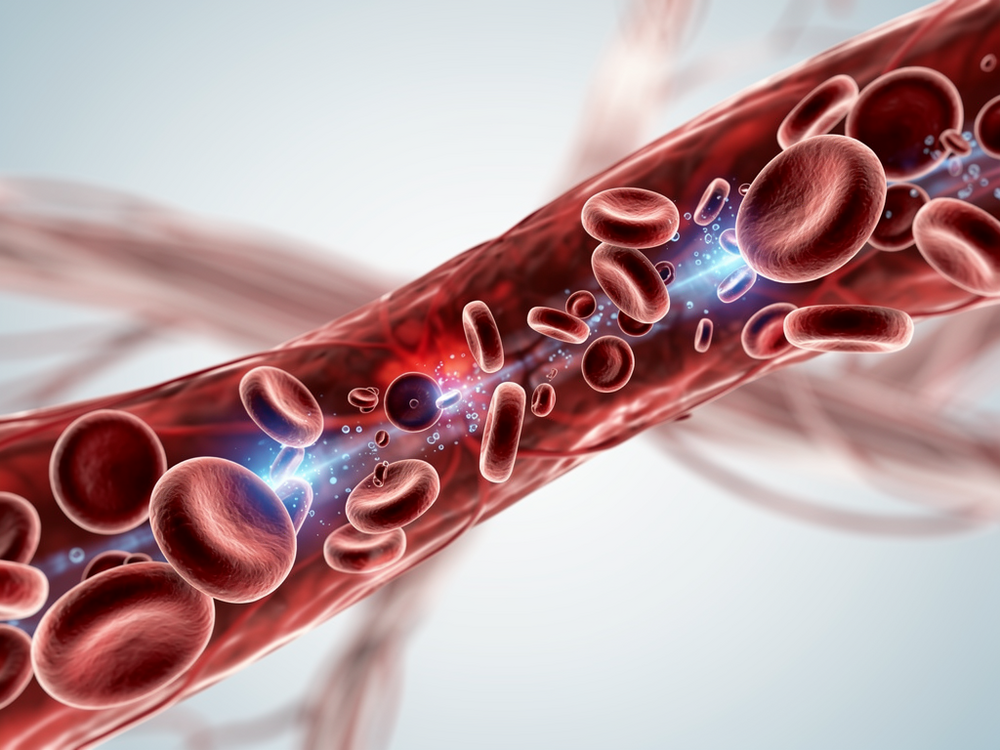
Testosterone is a powerful signal to your bone marrow, instructing it to produce more red blood cells. This process is measured by your hematocrit—the percentage of your blood volume occupied by these cells. While a moderate increase can enhance oxygen-carrying capacity, there is a well-established threshold, typically cited between 52% and 54%, where the benefit reverses. Beyond this point, blood viscosity increases significantly. Imagine the difference between pumping water and pumping syrup through a narrow tube. Your heart must work against this increased resistance, struggling to push the thickened blood through the body's vast network of tiny capillaries. These micro-vessels are the final delivery route for oxygen and nutrients to your muscle tissues and brain cells. The result is a paradoxical oxygen delivery failure: your blood is rich with oxygen, but it can't efficiently reach the tissues that need it. This systemic bottleneck manifests directly as the persistent physical fatigue and cognitive cloudiness—the classic brain fog—that many men report.
Revitalize your TRT journey.

Combat fatigue and brain fog with optimized hematocrit levels.
Why High Hematocrit on TRT Causes Fatigue: The Oxygen Delivery Paradox
The core mechanism of TRT-induced fatigue is a classic case of too much of a good thing. Testosterone's erythropoietic (red blood cell-stimulating) effect is meant to improve aerobic capacity. However, when red blood cell production continues unchecked, you cross a line where volume impairs function. The excessive concentration of cells increases blood's internal friction, or viscosity. Your cardiovascular system is finely tuned for optimal flow at a specific hematocrit range. When viscosity rises, the heart's workload increases dramatically to maintain circulation. This not only strains the cardiovascular system but, more critically, slows the transit time of blood through the microcirculation. Oxygen diffusion to cells becomes less efficient. Energy-hungry tissues, like skeletal muscle and neural tissue, are left in a state of functional hypoxia—they have fuel in the pipeline, but it's arriving too slowly. This creates the profound, systemic tiredness and lack of mental sharpness that feels so contradictory when your testosterone levels look perfect on paper. low libido after breakup how men can rebuild confidence and desire
How Testosterone Stimulates Red Blood Cell Production
The process begins at the molecular level. Testosterone enhances the production of erythropoietin (EPO), the primary hormone responsible for red blood cell creation in the bone marrow. It also appears to make precursor cells in the marrow more sensitive to EPO's signals. This one-two punch is why hematocrit rises are a predictable, dose-dependent response to TRT, not a random side effect.
Hematocrit Thresholds and Symptom Onset for 35-50 Year Old Men
For men in this age group, symptom onset is rarely sudden. It typically follows a creeping timeline. In the first 3-6 months of TRT, hematocrit often rises noticeably. Many men may cross the 52% mark without immediate, dramatic symptoms. The fatigue on testosterone injections thick blood 40s men describe usually becomes pronounced and persistent as levels hover in the mid-50s. This delayed recognition is why monitoring is non-negotiable; by the time fatigue is debilitating, hematocrit may already be significantly elevated, requiring more active intervention.
It's crucial to recognize these symptoms early on. Managing your TRT protocol effectively requires a comprehensive approach.
Recognizing High Hematocrit Symptoms Before They Worsen
The symptoms of elevated hematocrit are insidious, often mistaken for stress, poor sleep, or simply "aging." Early warning signs are non-specific but consistent: a heavy, persistent fatigue that isn't relieved by a full night's sleep, and a distinct mental fog that hampers concentration and memory. Recurring headaches, a feeling of lightheadedness, and unexplained dizziness are also common early flags.
As hematocrit climbs progressively above 54%, symptoms tend to intensify and become more physical. You might experience shortness of breath after minor exertion, a constant, high-pitched ringing in the ears (tinnitus), or a noticeably ruddy or flushed complexion, especially in the face. A feeling of fullness or pressure in the head is another reported symptom.
It is crucial to understand the escalation. While the early symptoms are a call for evaluation and management, certain signs constitute red flags requiring urgent medical attention. These include acute chest pain or pressure, sudden onset of vision changes or loss, severe headache unlike any previous one, or significant swelling, redness, and warmth in one leg (a potential sign of deep vein thrombosis). These indicate that blood thickness may be leading to more serious cardiovascular or clotting complications.
Sleep Apnea Making TRT Fatigue Twice as Bad
If you are managing high hematocrit and relentless fatigue, undiagnosed or poorly managed sleep apnea acts as a powerful accelerant. Research suggests that TRT can exacerbate or unmask underlying obstructive sleep apnea (OSA). This condition causes repeated pauses in breathing during sleep, leading to cyclical drops in blood oxygen levels—a state known as intermittent hypoxia. testosterone booster results after 30 days what to expect
Your body's response to this nightly hypoxia is to release more erythropoietin (EPO), the very hormone that drives red blood cell production. This sets up a vicious, fatigue-amplifying cycle: TRT increases hematocrit, and sleep apnea-induced hypoxia tells your body to produce even more red blood cells. The combined effect can cause hematocrit to climb faster and higher than with TRT alone, dramatically worsening blood viscosity and the resulting daytime exhaustion and brain fog. For this reason, a sleep apnea screening is now considered a standard part of the pre-TRT evaluation and an essential investigation for any man on TRT who presents with significant fatigue, regardless of his hematocrit level.
Unlock peak energy.

Manage thick blood for sustained vitality and mental clarity.
Step-by-Step Intervention Ladder for High Hematocrit Management
Addressing high hematocrit effectively requires a structured, stepped approach. Starting with the simplest, least invasive strategies allows you to find a sustainable solution with minimal disruption to your TRT benefits.
Step 1: Foundational Lifestyle, Hydration, and Screening
This is the essential first line of defense and is effective for many men. Aggressive hydration is paramount; adequate water intake directly reduces blood viscosity. Concurrently, a formal sleep study should be pursued if there is any suspicion of sleep apnea. It is also critical to test serum ferritin (stored iron). Low iron can cause its own profound fatigue, and blindly proceeding with blood donation to lower hematocrit can crash ferritin levels, leaving you feeling worse. Eliminating smoking, which increases blood viscosity and carbon monoxide load, is non-negotiable.
Step 2: TRT Protocol Optimization
If foundational steps are insufficient, the therapy itself should be examined. A discussion with your provider about a modest dose reduction can sometimes bring hematocrit down while maintaining clinical benefits. More impactful for many is altering the administration method. Switching from large, weekly intramuscular injections to more frequent, smaller-dose injections (often called microdosing) can prevent the sharp peaks in testosterone that strongly stimulate EPO. Subcutaneous injection may also offer a slower, more stable absorption profile for some men, potentially moderating the hematocrit response. bad sleep and low testosterone in men how many hours do you really need
Step 3: Therapeutic Phlebotomy Protocols
When lifestyle and protocol tweaks are not enough, therapeutic phlebotomy (the controlled removal of blood) is the direct mechanical solution. A standard donation of one unit (about 500ml) can lower hematocrit by approximately 3%. However, a critical practical consideration is frequency. Donating too often—say, every 8 weeks—can rapidly deplete iron stores, leading to iron-deficiency anemia, whose symptoms of fatigue and weakness are indistinguishable from the original problem. Phlebotomy must therefore be guided by regular hematocrit and ferritin testing.
Step 4: Advanced Considerations and Pausing TRT
For men with persistently high hematocrit who do not respond to other measures, or who have other thrombotic risk factors, a temporary pause in TRT may be necessary to reset the system. Alternatively, a switch to a transdermal (gel) formulation might be considered, as some evidence suggests it may have a less pronounced effect on hematocrit for certain individuals, though results vary. This step underscores that TRT must be individually tailored, with safety as the paramount concern. One study reviewed various approaches to managing hypogonadism in men. Medical Treatment of Hypogonadism in Men.
| Approach | Best For | Timeline for Effect | Key Consideration |
|---|---|---|---|
| Lifestyle & Hydration Focus | Early-stage elevation (HCT 52-54%), proactive management. | Weeks to months for full effect. | Foundation for all other steps; requires consistent daily habit formation. |
| TRT Protocol Adjustment | Men with rising HCT despite good habits, or those on less frequent, larger doses. | 4-12 weeks to see new steady-state levels. | May require patience to find the optimal dose/frequency balance for symptom relief and hematocrit control. |
| Therapeutic Phlebotomy | Established, symptomatic high hematocrit (HCT >54%) needing rapid reduction. | HCT drop within days; symptom relief in 1-2 weeks. | Mandatory concurrent ferritin monitoring to prevent iron-deficiency fatigue. |
| Comprehensive Medical Review | Complex cases with multiple factors (sleep apnea, high HCT, high platelets) or poor response to standard interventions. | Ongoing, long-term management. | May involve pausing TRT, specialist referral (hematologist/cardiologist), and exploring root causes beyond TRT. |
Dose Tweaks and Lifestyle Fixes That Actually Lower Hematocrit
Beyond the structured ladder, specific, actionable strategies can have a tangible impact. For hydration, the goal is consistent dilution. Aim for at least 3-4 liters of water spread throughout the day, increasing intake if you exercise heavily or live in a dry climate. Diet can play a supportive role. Incorporating foods with natural antiplatelet or vasodilatory properties—such as garlic, ginger, cayenne pepper, and omega-3 rich fish like salmon—may support healthier blood flow, though they are not a substitute for addressing the root cause.
Scientific Evidence
- ✔ Clinical Support: Testosil™ Formula
- ✔ Expert Community: ExcelMale Forum
- ✔ Study: Polycythemia Vera: Rapid Evidence Review.
Regarding your TRT regimen, if injections are your method, the shift to frequent microdosing is one of the most practical pieces of advice for managing hematocrit rises. This could mean injecting smaller amounts every other day or even daily, which appears to promote more stable testosterone levels and a blunted EPO response compared to the surge following a large, weekly injection. The objective is to build a sustainable daily practice that supports healthier blood viscosity, reducing dependence on reactive measures like frequent phlebotomy.
These adjustments can often make a significant difference. Let's explore the best ways to monitor your hematocrit levels.
Hematocrit Monitoring Schedule and Lab Interpretation for TRT Users
Proactive, intelligent monitoring is your most powerful tool for preventing problems. You must establish a baseline hematocrit before initiating TRT. After starting, follow-up testing is typically advised at 3 months, 6 months, and then every 6 to 12 months thereafter if levels remain stable and within range.
Interpreting the results requires context. A hematocrit reading between 52% and 54% should be seen as a yellow light—a signal to double down on foundational lifestyle measures and discuss potential protocol tweaks with your provider. A level consistently above 54%, especially if accompanied by symptoms, is a clear red light requiring active intervention.
Crucially, never view hematocrit in isolation. It must be interpreted alongside other markers:
- Ferritin: This measures your iron stores. A high hematocrit with low or borderline ferritin indicates you are at high risk for iron deficiency if you undergo phlebotomy. The strategy here would focus on iron management first.
- Platelet Count: High platelets (thrombocytosis) alongside high hematocrit can further increase thrombotic risk and may point to other underlying conditions.
- Hemoglobin: This should trend similarly to hematocrit and provides another data point on oxygen-carrying capacity.
This multi-marker perspective transforms a simple number into a actionable health map.
Persistent Fatigue on TRT: When It's Hematocrit vs. Other Causes
Differentiating the source of your fatigue is the fastest path to an effective solution. Trt high hematocrit fatigue brain fog has a characteristic profile: it is a pervasive, heavy tiredness coupled with a specific "cotton-headed" mental fog and often includes headaches or a feeling of head pressure. It persists despite adequate sleep.
Compare this to other common culprits:
- Thyroid Imbalance: Fatigue may be accompanied by changes in weight, hair texture, skin dryness, and unusual sensitivity to heat or cold.
- Adrenal/Cortisol Dysregulation: Fatigue often follows a "wired and tired" pattern, with energy crashes in the afternoon, anxiety, and difficulty handling stress.
- Untreated Sleep Apnea: The hallmark is unrefreshing sleep—waking up tired despite 8 hours in bed—alongside loud snoring, witnessed breathing pauses, and daytime sleepiness.
- Estradiol Imbalance: High estradiol can cause fatigue, bloating, and emotional lability; low estradiol can cause joint aches and low libido alongside fatigue.
A logical, cost-effective testing order for hematocrit over 54 on trt still tired after 6 months is to first check CBC (for hematocrit), ferritin, and estradiol. If these are managed and fatigue persists, a full thyroid panel (TSH, Free T3, Free T4) and consideration of a sleep study are the next logical steps. This systematic approach isolates the primary driver rather than chasing multiple possibilities at once.
Now, let's address some common questions about this issue. There are solutions available to help you feel your best.
Frequently Asked Questions

A: Yes, proactive management is still important. Elevated hematocrit increases the long-term strain on your cardiovascular system and raises the risk of abnormal clotting, even in the absence of obvious symptoms like fatigue. It's a preventative health measure. Your doctor can help you develop a plan to gently lower it into a safer range through lifestyle or minor protocol adjustments.
Q: How long after lowering my hematocrit will my fatigue improve?A: If high hematocrit is the primary cause, you may notice an improvement in energy and mental clarity within a few days to two weeks after an effective intervention, such as a therapeutic phlebotomy or a significant increase in hydration. However, if the intervention leads to low iron stores (ferritin), fatigue can persist or even worsen, which is why monitoring both markers is essential.
Q: Is donating blood at a blood bank a safe way to manage high hematocrit on TRT?A: It can be a practical option, but it requires coordination. First, consult your TRT provider. Second, be aware that not all blood banks accept donations purely for therapeutic purposes (polycythemia), and their eligibility criteria may differ. Most importantly, frequent donation demands close monitoring of your ferritin levels to prevent iron deficiency. It is safest as part of a medically supervised plan.
Q: Can I just take a baby aspirin to thin my thick blood from TRT?A: No, this is a common misconception. Low-dose aspirin works by inhibiting platelet aggregation (clotting), but it does not reduce the viscosity caused by a high concentration of red blood cells. It is not a substitute for lowering hematocrit through the methods described. Furthermore, adding aspirin or any blood-thinner without a doctor's directive carries risks, including gastrointestinal bleeding.
Q: If I'm prone to high hematocrit, does it mean TRT isn't for me?A: Not necessarily. It means you require a more carefully managed and monitored TRT protocol. Many men successfully use TRT long-term by employing strategies like micro-dosing injections, prioritizing exceptional hydration, treating underlying sleep apnea, and having a plan for occasional therapeutic phlebotomy with iron monitoring. It necessitates a proactive partnership with a knowledgeable healthcare provider who understands these nuances.
📌 Love this guide? Save it on Pinterest!
Pin TRT Fatigue Fix: Lower Thick Blood (High Hematocrit) for Energy in 2026 to your board so you can come back to it later.

