
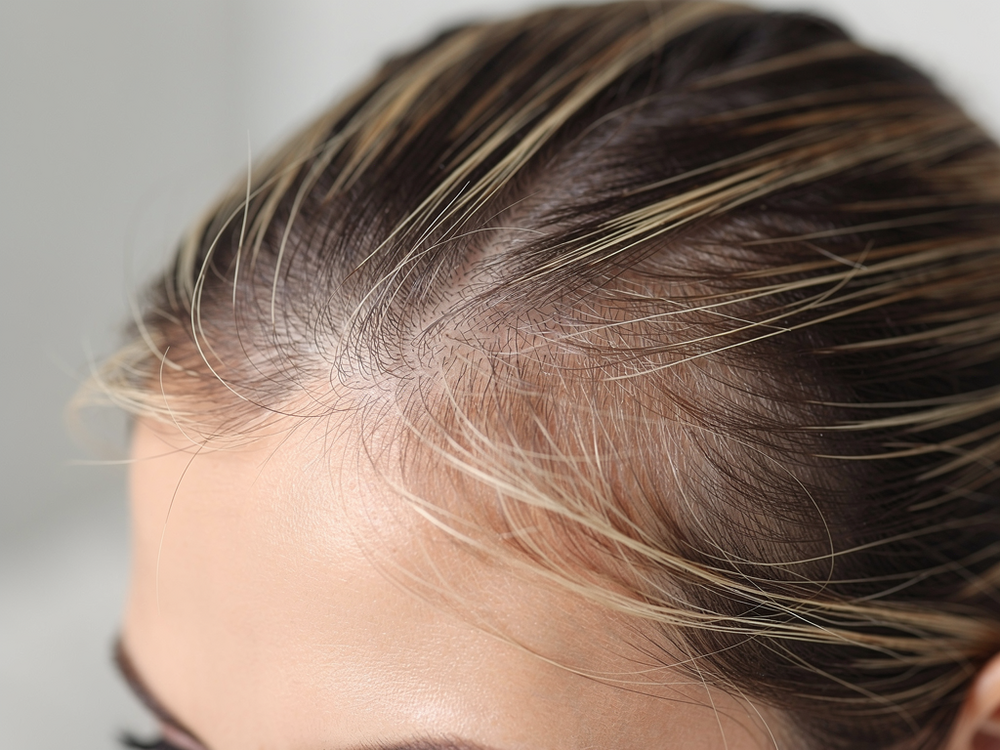
If you’re a woman over 40, faithfully taking saw palmetto to rescue your thinning hair only to find more strands on your brush and a widening part, you’re part of a growing, frustrated sisterhood. This experience is echoing through women’s health forums and community boards, where stories of persistent shedding and failed results are shared with a sense of confusion and resignation. The promise of a natural, gentle DHT blocker seems to evaporate just as hormonal changes intensify, leaving many feeling betrayed by the very supplements that once seemed like a logical solution. This isn’t a personal failure; it’s a biological mismatch. This article explores the specific, often-overlooked reasons why saw palmetto frequently falls short during the perimenopausal and menopausal transition and outlines a more nuanced, effective strategy for reclaiming hair health.
The Invisible Failure: Why Supplements Fail Post-40
You’ve committed to the routine, swallowed the capsules daily for months, and watched for any sign of improvement, only to be met with the same relentless thinning. This experience of seeing no hair regrowth despite consistent use is a silent epidemic among women navigating midlife. The failure feels invisible because you’re following the advice perfectly. The core issue lies in applying a single-tool solution to a multi-system problem. Saw palmetto operates on one specific hormonal pathway, but after 40, your body is navigating a complex landscape of shifting hormones, changing metabolism, and accumulated life stressors. A mild DHT inhibitor is often simply outgunned by this perfect storm of physiological changes.
Nurture your hair from the inside out.
 👉 Explore Natural Solutions
Support healthy hair growth with targeted nutrients and lifestyle adjustments.
Biological Mechanism: Hormonal Shifts vs. DHT Blocking
To grasp why saw palmetto might not be working, we must first understand what it’s designed to do and how that fits into your body’s new reality after 40. Saw palmetto is primarily studied for its potential to inhibit the enzyme 5-alpha-reductase, which converts testosterone into dihydrotestosterone (DHT). In simple models of hair loss, less DHT equals less follicle miniaturization. However, the hormonal environment of a woman in perimenopause or menopause is far from simple. As estrogen and progesterone levels decline—often erratically—the relative balance of power shifts. Androgens like testosterone may not increase in absolute terms, but their influence becomes more pronounced against the backdrop of falling protective hormones. This state of relative androgen dominance means a mild DHT blocker may be trying to hold back a river with a small dam. Furthermore, research indicates an inconsistent DHT reduction in humans from saw palmetto, meaning its effect is neither guaranteed nor strong enough to counteract the significant hormonal recalibration happening in midlife. Oral Supplementation with l-Cystine, Serenoa repens, Cucurbita pepo, and Pygeum...
Perimenopausal Androgen Surges
This concept of relative increase is critical and often absent from general supplement advice. It’s not necessarily that your body is producing a flood of new testosterone; rather, the calming, hair-supportive effects of estrogen are receding, allowing the existing androgens to exert a stronger influence on hair follicles and other tissues. A supplement offering a modest blocking action is attempting to address a symptom (DHT conversion) within a much larger hormonal reorganization it cannot control.
DHT Resistance in Midlife
Another layer is the concept of follicle sensitivity. Over time, and through the cumulative effect of hormonal shifts, inflammation, and oxidative stress, hair follicles can become more sensitive to even normal levels of DHT. This means the problem isn’t just the amount of DHT present, but how your follicles are responding to it. A supplement that slightly reduces DHT production may do little if your follicles have entered a state of heightened sensitivity.
It's important to consider how these shifts impact supplement effectiveness. Let's explore how life context further complicates the picture.
Life Context Deep-Dive: How Perimenopause Sabotages Results
Your biology exists within the context of your life, and this is where the plot thickens for women over 40. The hormonal transition of perimenopause powerfully intersects with lifestyle factors that are direct triggers for hair shedding. Chronic stress—from career pressures, caring for aging parents, or the anxiety surrounding this life stage itself—elevates cortisol. Persistently high cortisol can disrupt the natural hair growth cycle, push follicles prematurely into a resting phase, and contribute to insulin resistance, which in turn can amplify androgen activity. Concurrently, the sleep disturbances common in perimenopause sabotage tissue repair and further dysregulate cortisol and hunger hormones. You could be taking a DHT blocker while your body is simultaneously in a state of high stress-induced shedding, creating the baffling scenario of sudden shedding in 40s despite DHT supplements that fills forum threads. The supplement cannot compensate for a physiology under siege.
Unlock your hair's full potential.
👉 Explore Natural Solutions
Discover personalized strategies for thicker, fuller hair after 40.
Clinical Evidence on Efficacy Limits
Grounding our expectations in the actual research is essential. While some studies, often small or preliminary, suggest saw palmetto can benefit hair growth, the most frequently cited robust trials focus on men with androgenetic alopecia. The evidence for its efficacy in women, particularly those undergoing the menopausal transition, is sparse and less conclusive. The mechanisms and patterns of hair loss differ fundamentally between genders and across a woman’s lifespan. Relying on data from male-pattern hair loss creates unrealistic expectations for women dealing with the nuanced hormonal friction of their 40s and 50s. This research gap is a primary reason many feel still confused why saw palmetto fails women over 40.
Realistic Timelines and Expectations
In a younger individual with a single, dominant cause for thinning, seeing results in 3-6 months might be plausible. In midlife, where hair loss is typically multifactorial—involving hormones, stress, nutrition, and inflammation—the timeline for any single intervention to show visible results extends significantly. Patience, coupled with a holistic strategy, becomes non-negotiable. If saw palmetto is the only change made, progress will likely be slow, negligible, or completely absent.
Why Common Protocols Stop Working
The standard advice of “take saw palmetto for hair loss” represents a one-size-fits-all solution that becomes ill-fitting after 40. First, the dosages commonly found in general wellness supplements are often not calibrated for the more pronounced hormonal shifts of midlife. Second, as the body ages, changes in digestion, liver metabolism, and nutrient absorption can alter how effectively any supplement is utilized. But the most significant reason common protocols fail is their narrow focus. They target one potential driver (DHT) in isolation, ignoring other critical contributors prevalent in women over 40: chronic low-grade inflammation, declining scalp circulation, insulin resistance, and specific nutrient deficiencies like iron, vitamin D, or B vitamins that become more common. This isolated approach explains why users report no density increase or side effects like libido drop; the body is signaling distress on multiple fronts, and a single-ingredient intervention cannot provide the system-wide support required.
Consider exploring the why do men feel tired all the time after 30, as energy levels are important for overall health.
Scientific Evidence
Navigating Side Effects and Personal Risks
The candid discussions in online communities reveal a range of side effects that must be factored into any decision. While many women tolerate saw palmetto well, others report undesirable effects such as decreased libido, digestive discomfort, headaches, or breast tenderness. Because it interacts with hormonal pathways, it is contraindicated for women who are pregnant, breastfeeding, or on certain medications, including hormone therapies (like birth control or HRT) and blood thinners. The reports of libido impacts from forums are particularly salient, serving as a reminder that any intervention affecting hormone pathways can have unintended systemic consequences. This underscores the imperative to approach any supplement, especially for a complex issue like hormonal hair loss, with caution and ideally under the guidance of a healthcare provider familiar with your complete health history.
It's also worth understanding best testosterone supplement for men over 45 who workout but still feel weak, as hormonal balance is key.
The Integrated Path Forward: Adapting DHT Blockers to Midlife
Abandoning natural approaches isn’t the answer, but radically rethinking the strategy is. The key is to stop viewing saw palmetto as a magic bullet and start seeing it as a potential component within a broader, personalized protocol. For a woman over 40, an effective approach must be multi-pronged, addressing internal balance and external scalp health simultaneously.
| Approach | Best For | Timeline for Noticeable Change | Key Consideration |
|---|---|---|---|
| Lifestyle & Dietary Foundation | Those new to addressing hair loss, or with significant stress/sleep/diet drivers. | 6-12 months | Addresses root causes with minimal risk. Requires high consistency in sleep, stress management, and balanced nutrition. |
| Targeted Supplementation (Incl. Saw Palmetto) | Women with confirmed hormonal imbalance (e.g., relative androgen dominance) alongside a solid lifestyle base. | 4-8 months | Supplements work best as support, not a replacement for foundational health. Blood work to guide choices is ideal. |
| Combined Internal & Topical Protocol | Those who have tried single approaches without success; addresses both systemic and local follicle health. | 3-6 months for reduced shedding; 9+ months for density | Most comprehensive. Combines internal balance (diet, stress, supplements) with direct scalp treatments (like rosemary oil, peptides). |
| Specialist-Guided Medical Pathway | Sudden, severe shedding or failure of holistic protocols after 12 months. Suspected autoimmune or complex endocrine issues. | Varies by treatment | May include prescription options (e.g., topical minoxidil, anti-androgens). Essential for ruling out underlying medical conditions. |
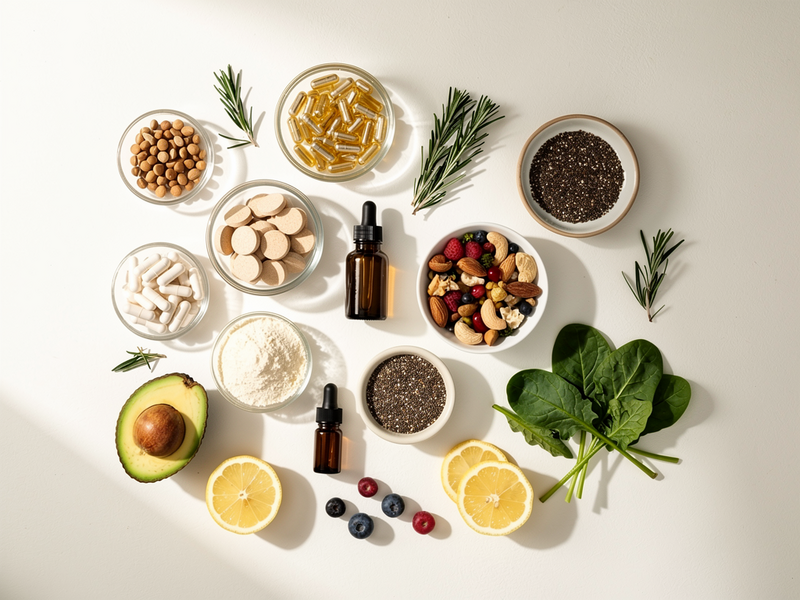
This integrated method means pairing a potential DHT-influencing supplement with non-negotiable lifestyle pillars: deliberate stress modulation (through adaptogens, mindfulness, or yoga), blood-sugar-stabilizing nutrition rich in protein and fiber, and optimization of key nutrients. Externally, incorporating evidence-based topical solutions like rosemary oil or caffeine serums can improve scalp circulation and provide local support to follicles. This holistic framework works with your changing biology, providing support on all fronts rather than fighting a lone, isolated battle.
It is crucial to remember that individual results can vary significantly. Therefore, understanding when to seek more specialized care is essential.
Beyond the Bottle: When to Seek Specialized Help
If you have diligently followed an integrated, holistic protocol for 9 to 12 months and see no slowing of shedding or any signs of regrowth, it is time to consult a specialist. This is a strategic pivot, not a defeat. A dermatologist with a focus on hair loss or an endocrinologist can help investigate other potential causes. They can rule out conditions like thyroid disorders (even “subclinical” ones), autoimmune forms of alopecia, or significant nutrient deficiencies that require specific intervention. They can also discuss prescription-grade treatment options that may have a more potent or targeted effect on your specific hair loss pattern. Seeking expert help moves you from self-guided experimentation to a data-informed, personalized plan.
For a broader perspective, consider reading Why some men emotionally withdraw in their 50s, as overall well-being affects hair health.
Frequently Asked Questions
A: At three months, it’s likely too early to draw a definitive conclusion, especially during the hormonal fluctuations of midlife. Hair growth cycles are long, often 3-6 months for a single cycle. An initial increase in shedding can sometimes occur as follicles reset. However, if the shedding remains severe and unchanged after 6 months of consistent use within a broader holistic protocol, it strongly suggests that saw palmetto alone is insufficient for your specific situation.
Q: Can saw palmetto make hair loss worse for women over 40?A: While not common, it is possible for a few reasons. If the supplement triggers an initial “dread shed” as part of a follicle reset, it can be temporarily disheartening. More importantly, if saw palmetto doesn’t address the primary driver of your hair loss—such as severe iron deficiency or unmanaged high stress—the underlying loss continues unabated, making it seem like the supplement is failing. For some, side effects like headaches or low libido can increase stress, indirectly worsening hair health.
Q: Are there any specific tests I should ask my doctor for before trying saw palmetto?A: Absolutely. Informed action is best. Request a comprehensive panel that includes: Iron studies (ferritin—aim for optimal levels, not just “in range”), Vitamin D, Thyroid panel (TSH, Free T3, Free T4), and a full hormone panel (estradiol, progesterone, testosterone, SHBG). This helps identify if your hair loss is primarily driven by androgens or if another imbalance or deficiency is the main culprit—something saw palmetto won’t resolve.
Q: I’m scared of side effects like low libido. Are there safer alternatives?A: Yes, focusing on foundational lifestyle and dietary strategies is the safest first step. Prioritizing sleep hygiene, consistent stress management practices, and a whole-foods, blood-sugar-balancing diet can positively influence hormone balance naturally. Topical alternatives like rosemary oil have growing research supporting their use for hair growth with minimal systemic absorption. Always discuss any new regimen, including alternatives, with your healthcare provider.
Q: If saw palmetto isn’t the answer, what is the best approach for hormonal hair loss in menopause?A: The most effective approach is layered, personalized, and patient. It combines internal and external strategies without relying on a single miracle cure. This includes: mastering stress and sleep hygiene, optimizing nutrition for metabolic and hormone balance, correcting specific nutrient deficiencies, considering targeted supplements (where saw palmetto may play a supporting role in a blend), using evidence-based topical treatments, and consulting a specialist for prescription options if needed. The “best” approach is the one that comprehensively addresses the unique drivers of hair loss in your body.
📌 Love this guide? Save it on Pinterest!
Pin Saw Palmetto Not Working for Hair Loss? Why It Fails in 2026 to your board so you can come back to it later.

