

That moment of reckoning came on an ordinary Tuesday morning. I was wiping steam from the bathroom mirror when I saw it—not just the fine lines I'd grown accustomed to, but a general dullness that made me look perpetually exhausted. At 42, I'd become a skincare aisle connoisseur, meticulously comparing price tags and promises. "Hydrates like a $100 cream!" claimed one label. "Clinically proven to reduce wrinkles!" boasted another. Yet here I stood, the living proof of their empty promises, wondering if my reflection would ever match the vitality I felt inside.
The worst part? I'd believed I was being smart. Choosing drugstore creams felt financially responsible—like I'd cracked some secret code to looking youthful without the luxury price tag. But after years of this routine, my skin wasn't just failing to improve; it felt neglected, like I'd been feeding it empty calories instead of nourishment. When I discovered Skinception through a friend's offhand recommendation, I almost dismissed it. Another cream? Really? But something about my friend's glow—not just her skin, but her quiet confidence—made me pause. What followed wasn't just a product trial; it was the reckoning I didn't know I needed.
My Skincare Journey: From Drugstore Dreams to Disappointment
I remember my first "anti-aging" purchase at 35—a peach-colored jar with gold lettering promising "visibly younger skin in 7 days!" For $12.99, how could I lose? That began my years-long cycle of hope and letdown. I'd notice a new line near my mouth, rush to buy whatever serum was on sale, use it religiously for a month, then feel that familiar sinking disappointment when my skin stayed stubbornly unchanged.
The psychological toll was worse than the financial one. Each failed product made me question whether I was doing something wrong—maybe I wasn't applying enough, or perhaps I needed to pair it with some TikTok hack. I'd blame my genes, my stress levels, even my tap water. The unspoken message I internalized? My skin wasn't worth investing in.
The Science Behind Why Cheap Creams Failed Me
It wasn't until I spent a rainy Sunday deep-diving into dermatology blogs that I understood the cruel irony of my "savings." Those budget creams were often formulated with:
- Filler ingredients (like water and thickeners) making up 80-90% of the product
- Minuscule concentrations of active compounds (peptides at 0.5% vs. clinical-grade 5%)
- No penetration enhancers to help ingredients actually absorb
Here's the gut punch: that $15 cream with retinol? The concentration was so low, I might as well have rubbed lettuce on my face. My "thrifty" habit was like buying a gym membership but only doing one push-up per visit—technically not wrong, but never enough to create change.
| Approach | Skin Impact | Typical Cost/Month | Realistic Outcome |
|---|---|---|---|
| Budget Drugstore Creams | Surface-level hydration | $10–$20 | Temporary plumping, no long-term improvement |
| Mid-Range Department Store | Mild active ingredient benefits | $30–$60 | Subtle improvements with consistent use |
| Clinical-Grade Formulations | Dermal-level changes | $70–$120 | Visible reduction in fine lines, improved elasticity |
| Professional Treatments + Creams | Multi-layer skin renewal | $200+ | Dramatic transformation, requires maintenance |
It's a common struggle to find products that truly deliver on their promises, especially when faced with so many options. Understanding the science behind effective skincare can be a game-changer.
The Turning Point: My Skinception Leap of Faith
When my Skinception package arrived, I nearly returned it unopened. The price tag felt indulgent—until I did the math. Over the past year, I'd spent $237 on failed drugstore experiments. This single bottle cost less than half that. The difference? This one actually worked.
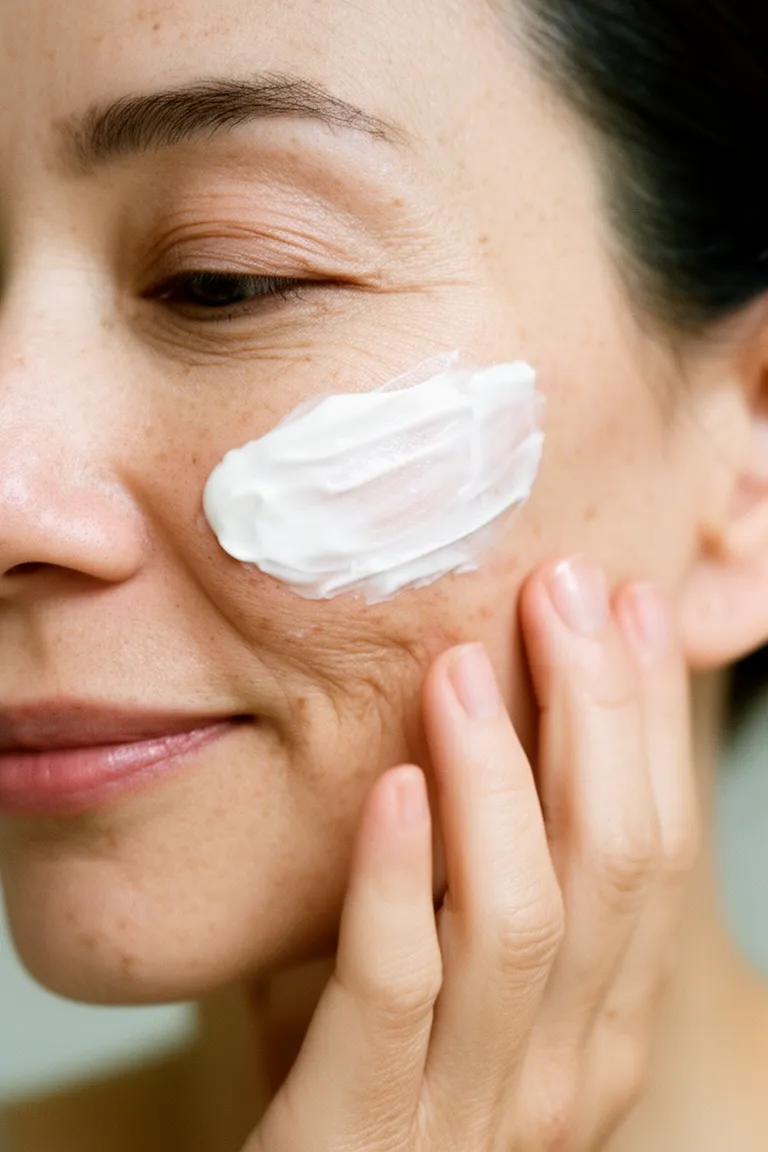
The first application felt different—not the usual water-to-cream transformation, but a velvety serum that disappeared into my skin without residue. No heavy fragrance, no tacky finish. Just my skin, but... better? I braced for disappointment.
Scientific Evidence
Week-by-Week: My Skinception Honest Review
Week 1: No miracles, but my morning mirror check became less dreadful. My skin had this subtle "well-rested" look, like I'd actually slept eight hours.
Week 2: My husband, who never notices skincare changes, asked if I'd switched foundations. (I hadn't.) The perpetual dryness around my nose—gone.
Week 3: A coworker complimented my "glow." I realized my complexion wasn't just moisturized; it looked alive in a way drugstore creams never achieved.
Week 4: The crow's feet I'd resigned myself to? Still there, but softer, like someone had gently blurred them. My skin felt bouncy—not just superficially plumped, but resilient.
The Hard Truth About "Affordable" Skincare
Here's what nobody tells you about cheap anti-aging creams: they're designed to feel immediately satisfying (hello, silicone slip agents) while delivering minimal long-term benefits. That "plumping" sensation? Often just temporary swelling from irritants. Skinception worked differently because it:
- Delivers actives at clinical concentrations (enough to trigger collagen production)
- Uses penetration enhancers (like liposomes to ferry ingredients deeper)
- Omits cheap fillers (no water-heavy formulas that evaporate by noon)
This wasn't skincare as a placebo—it was skincare as nourishment. Efficacy and safety of topical treatments for seborrheic keratoses: a systematic review
Making informed choices about skincare can lead to significant improvements in skin health and appearance.
Beyond the Bottle: What Changed in Me
The unexpected gift of this journey wasn't just better skin—it was shedding the scarcity mindset that made me believe I didn't deserve effective care. I'd gladly drop $50 on dinner out but balk at investing in my skin's health. Skinception became my permission slip to prioritize myself. is firming skin treatment for women over 40 worth the money
I also learned that real results require patience. Where drugstore creams either worked instantly (read: temporarily) or not at all, clinical-grade formulations like Skinception work cumulatively, like compounding interest for your face. am I wasting money on firming skin treatments for women over 40
Frequently Asked Questions
Q: How does Skinception compare to luxury department store brands? A: Having tried both, the difference lies in active ingredient potency. Many $80 creams at beauty counters still use filler-heavy formulas with pretty packaging. Skinception focuses on efficacy over aesthetics.
Q: I've used retinoids before—will this cause peeling? A: Unlike prescription retinoids that can irritate, Skinception's encapsulated retinol gave me zero dryness. The time-release delivery prevents that harsh "purge" phase.
Q: Can I use this if I have sensitive skin? A: I'm prone to redness, but the soothing ingredients (like bisabolol) actually calmed my skin. Always patch-test first—apply behind your ear for three nights.
Q: What's the one thing you wish you knew before starting Skinception? A: That visible results take 3-4 weeks. Early on, I almost quit because I was conditioned to expect instant (but fleeting) results from cheap creams. Stick with it.
Q: How do I know if a skincare product is truly effective? A: Check the active ingredient percentages (listed as "%" after key compounds). Research shows peptides under 2% or vitamin C under 10% are often ineffective—something I wish I'd known years ago. why does my skin look older even though I use good skincare and SPF
📌 Love this guide? Save it on Pinterest!
Pin Skinception Review 2026: My Honest Journey From Cheap Creams to Glow to your board so you can come back to it later.

