
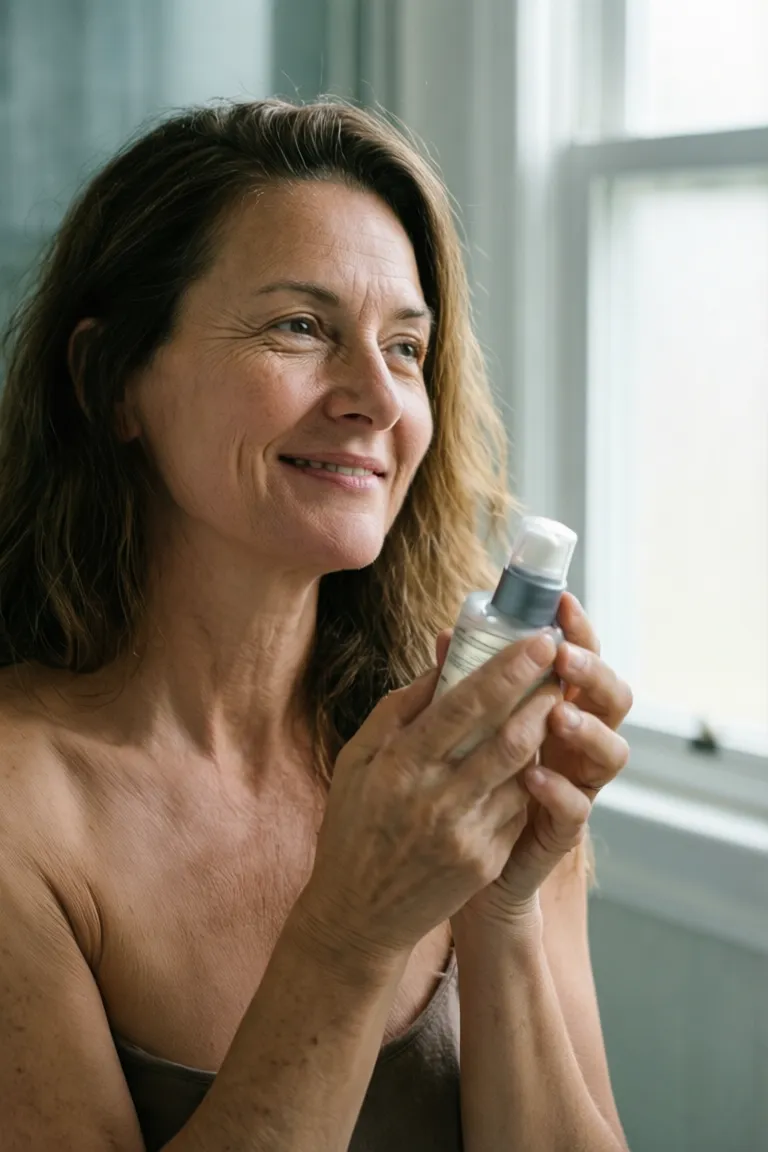
For years, I prided myself on being a smart shopper. At 48, with a skincare routine as sacred as my morning coffee, I’d learned to hunt for deals. My bathroom shelf was a curated collection, and Skinception had earned its prime spot after genuinely softening the silvery lines from my pregnancies when nothing else had. So, when my bottle of Intensive Stretch Mark Therapy started running low, I did what I thought was brilliant. I opened the Amazon app. The price was a few dollars less, the product image was identical, and with Prime shipping, it would be at my door in two days. I clicked “Buy Now,” feeling that little thrill of victory you get when you outsmart the system. What could possibly go wrong? I was buying the same product, just from a different digital shelf. That first order was the start of a lesson I never wanted to learn: that when it comes to what you put on your face and body, the convenience of a marketplace can come with a hidden, and sometimes painful, cost. It was a journey from misplaced confidence to hard-won wisdom, and it completely changed how I shop for anything that touches my skin.
It wasn’t an immediate disaster, which is how these traps work. The first bottle I received from a third-party seller looked right. But within a week of using it, a subtle, nagging doubt crept in during my evening routine. The texture felt slightly thinner, more watery than the rich, creamy lotion I was used to. It absorbed too quickly, without that signature velvety feel that seemed to linger and work overnight. I told myself I was being paranoid—maybe it was a new batch, maybe the humidity in my bathroom was different, maybe my skin was just having a week. But the seed of suspicion was planted. After that, every time I saw a “deal” on Amazon for my Skinception Rosacea Relief or the Dermal Repair Cream, my finger would hover over the button. Was I saving money, or was I gambling with my skin’s health? My journey from a deal-hunter to a dedicated official-store customer was born from a slow-drip of frustration, wasted money, and a firm commitment to never let my skin pay the price for a discount again. I had to get burned, quite literally, to learn to appreciate the warmth of a trusted flame.
My Skincare Routine Was a Gamble: The Moment I Questioned My Amazon Skinception Purchases
The allure of Amazon was undeniable, especially for someone like me who juggles work, family, and the million little tasks of daily life. It was the ultimate one-stop shop, and the promise of saving even five or ten dollars on a premium skincare item felt like a personal win, a tiny rebellion against the high cost of staying youthful. I’d scroll through the listings, see the familiar product images with the shiny “Prime” badge, and feel a sense of trust. "Ships from Amazon.com," "Fulfilled by Amazon"—these phrases became my green lights, my brain shortcutting past any deeper inquiry. I’d think, “Amazon wouldn’t let fake stuff be sold, right?” I convinced myself I was being financially savvy, stretching my skincare budget so I could afford to stay consistent with a brand that actually worked for me. This pattern went on for months, a quiet cycle of reordering whenever I ran low, always sorting by price and choosing the lowest-priced option from what appeared to be reputable sellers with decent ratings.
The real turning point, the moment the gamble felt lost, came with a specific bottle of the Intensive Stretch Mark Therapy. The packaging had a tiny, almost imperceptible smudge on the label near the ingredient list. The plastic safety seal didn’t have that satisfying snap when I twisted it; it felt flimsy, like it had already been compromised. But the real alarm bell, the thing I couldn’t rationalize away, was the scent. The official product has a very mild, clean, almost clinical smell—the smell of ingredients doing their job. This one had a faint, off-putting chemical undertone, like plastic or old perfume. I pushed my initial dismissals aside—the "it's probably nothing" voice that had served me so poorly—and applied it anyway, hoping the feeling would pass. My skin, usually soothed and comforted by the formula, reacted with a hint of tightness, a subtle irritation that wasn't right. It wasn’t a full-blown rash, but it was a whisper from my skin saying, “This isn’t what you think it is.” That's when the growing unease solidified into a cold, hard question: What exactly was I putting on my skin? Was this even the same product? That moment, staring at the slightly-off bottle in my hand under the bright bathroom lights, shattered my blind trust in the Amazon skincare aisle. It was no longer about savings; it was about safety, integrity, and the terrifying realization that I might have been tricked.
The Hidden Risks I Discovered: Why 'Cheaper' Skinception on Amazon Can Cost You More Than Money
My unease sent me down a rabbit hole of late-night research, clicking through beauty forums and Reddit threads, and what I discovered was deeply unsettling. I learned that Amazon’s marketplace is just that—a vast, digital bazaar. When you buy from a third-party seller, even one "Fulfilled by Amazon," you're often tapping into a complex and shadowy supply chain that the brand itself doesn’t control. These unauthorized sellers can source products from anywhere: overstock distributors, foreign markets where packaging differs, or even outright counterfeit operations. The most shocking revelation was the concept of “commingled inventory.” This meant that even if I selected a reputable seller, the specific bottle sent to me could be from any seller’s stock in Amazon’s warehouse bin, including those from disreputable sources. My “genuine” item could be swapped out with a fake from a different seller in the same bin, all under the same ASIN number. The system was designed for efficiency, not for authenticity.
The dangers, I learned, weren’t theoretical; they were concrete and scary. First, there’s the risk of expired or near-expired products. Active ingredients in skincare, especially potent ones like the peptides and retinoids in my favorite Skinception formulas, degrade over time. An old batch might be completely ineffective, rendering my “bargain” a total waste of money and leaving my skin without the support I relied on. But worse, far worse, are the outright counterfeits. These fakes aren’t just inferior; they can be dangerous. They can contain anything from watered-down formulas and cheap filler ingredients to harmful substances like bacteria, heavy metals, or undisclosed steroids. The risk isn’t just a lack of results; it's active damage—persistent rashes, chemical burns, severe breakouts, or long-term sensitization that makes it hard to use any product safely. Then there’s the insidious issue of altered formulas: dilution with water or cheap oils to stretch supply, or substitution of key, expensive ingredients with cheaper, inactive alternatives. Without the brand's direct quality control and proper storage conditions (think temperature-controlled environments, not a hot warehouse shelf), you have no guarantee of what you're getting. I realized with a sinking heart that my quest to save a few dollars was potentially risking my skin's health for a product that might do nothing, or worse, cause harm that would cost far more to fix. The “cheaper” option suddenly looked like the most expensive gamble of all.
My Side-by-Side Showdown: Official Store Skinception vs. My Amazon 'Bargain'
Driven by a mix of frustration and a need for definitive proof, I decided to conduct my own experiment. I ordered a new bottle of the Intensive Stretch Mark Therapy directly from the Skinception official website, paying full price without a flinch. When it arrived, I took the questionable Amazon bottle from the back of my cabinet and laid them side-by-side on my kitchen table under the clear morning light. The differences, once I looked with a critical eye, weren’t subtle; they were glaring.
Packaging discrepancies were the first, undeniable clue. The official bottle had crisp, sharp printing; every letter was distinct. The font on the Amazon bottle was ever-so-slightly blurred, as if the printing plate had been worn. The lot code and expiration date on the official product were laser-etched, clean, and easy to read; on the Amazon version, they were stamped in a way that looked smudged and less professional. The safety seal was the real tell: on the official bottle, it was tight, flush with the cap, and required a firm, intentional twist to break. The seal on the other was slightly loose, and it popped off with little resistance, making a hollow sound.
The sensory comparison removed all doubt. I washed my hands, then squeezed a pea-sized dollop of each onto the back of my hand. The official cream was a rich, opaque ivory, with a thick, luxurious texture that held its shape like soft butter. The Amazon version was a paler, almost translucent white, with a thinner, almost runny consistency that started to spread on its own. The smell test confirmed everything: the official product had that mild, clean, slightly medicinal scent I associated with efficacy. The other still carried that faint, sweet-chemical note, like a cheap air freshener trying to mask something. The final test was the feel. When rubbed in, the real cream absorbed slowly, sinking in with a nourishing, non-greasy film that felt protective. The other disappeared almost too quickly, leaving a vague, slightly tacky residue that felt more like a basic, dollar-store lotion than a targeted, professional-grade treatment. This side-by-side showdown was my definitive, personal proof. I wasn’t imagining things or being overly sensitive. The product integrity was fundamentally compromised, and with it, any chance of the efficacy I was paying for—and any trust I had in that marketplace for skincare.
Beyond the Price Tag: The Peace of Mind I Found Buying Directly from Skinception's Official Site
Switching my allegiance to the official Skinception store didn’t just change where I shopped; it transformed my entire skincare experience from a source of low-grade anxiety to one of complete, unshakable trust. The first and most profound benefit was the absolute guarantee of authenticity. I knew, without a shadow of a doubt, that what was in the bottle was exactly what the chemists and dermatologists behind Skinception had formulated, tested, and intended for my skin. Every product is fresh, coming directly from the manufacturer's most recent, controlled batch. The relief was palpable and physical. No more holding bottles up to the light, no more suspicious sniffs before application, no more applying the first dab with a sense of trepidation, waiting to see if my skin would rebel. My evening routine went from a forensic investigation back to a peaceful ritual.
Then came the layers of support I never knew I was missing. When I had a question about how to best incorporate the Dermal Repair Cream with a new vitamin C serum I was trying, I used the official site’s contact form. I received a detailed, thoughtful email from a customer care representative within a day—not a generic auto-reply, but personalized advice that considered my specific skin concerns. I finally understood their return policy clearly and knew that if a product was ever genuinely defective (which, in two years of buying direct, hasn’t happened once), I had a direct, human line to resolve it. I also discovered the world of exclusive offers: value bundles that combined my favorites at a real discount, seasonal promotions, and even a simple loyalty program that rewarded my consistency. These often provided better long-term value than any fluctuating, gamble-laden Amazon price. The true value, I realized, wasn't just in the product itself; it was in the entire ecosystem of trust, consistency, and peace of mind that comes from knowing your skincare is legitimate, safe, and designed to deliver the exact results you expect. That peace of mind, for my skin and my sanity, became priceless.
| Purchasing Approach | Best For | Realistic Risk Level | Key Consideration |
|---|---|---|---|
| Official Brand Website | Those prioritizing guaranteed authenticity, freshness, and full support | Very Low | Highest upfront price confidence, but offers best long-term value and results. |
| Authorized Retailers (e.g., select dermatology sites) | Shoppers wanting convenience but with verified authenticity | Low | Must be verified on the brand's "Where to Buy" page; policies vary by retailer. |
| Major Marketplaces (e.g., Amazon, eBay, 3rd party sellers) | Deal-seekers willing to accept high uncertainty for potential savings | Very High | High risk of expired, counterfeit, or altered products; savings often illusory. |
| Social Media & Unverified Resellers | Not recommended for skincare | Extreme | Zero accountability, highest chance of counterfeit goods and no recourse. |
My Skincare Lesson Learned: How to Protect Your Skin (and Wallet) from Counterfeit Products
This entire, frustrating experience taught me to be a vigilant, informed consumer. I now know that protecting my skin—an organ, not just a canvas—starts with knowing where I shop, not just what I buy. My first and non-negotiable step is always to identify the brand’s official retailer channels. For Skinception, that means I go straight to their official website and bookmark it. I’ve learned that if I ever consider another retailer, I check the brand’s own "Where to Buy" or "Authorized Retailers" page for verification; a few minutes of this homework saves weeks of potential regret. what really helps firm skin after 40 besides expensive creams.
I’m also now hyper-aware of red flags, those little whispers that something is off. An unusually low price is the biggest, flashing neon sign—if it seems too good to be true, especially for premium skincare, it almost always is. I’ve trained myself to avoid sellers with vague, jumbled names (think strings of numbers and letters) or those with a history of poor reviews that specifically mention issues like counterfeit packaging, strange smells, or ineffective products. I now understand the importance of checking product batch codes and looking for clear expiration dates, though I admit this is nearly impossible with sealed online purchases from unknown sources, which is yet another compelling reason to buy direct. I read recent reviews with a detective’s eye, focusing on the ones that mention authenticity and product consistency over general “I love this” comments. And finally, I’ve given myself permission to trust my gut and ask for help. If I ever have a doubt about a seller, I don’t hesitate to contact the brand’s customer service directly for verification. It’s a few minutes of effort that saves me weeks of disappointment, wasted money, and potential skin trouble. My wallet and my complexion are both infinitely healthier for these hard-learned lessons.
Scientific Evidence
The Ripple Effect: How This Changed My Buying Habits Beyond Skincare
This awakening about my Skinception on Amazon purchases didn’t just stay in my bathroom; it rippled out into every corner of my online shopping life. I started looking at everything—vitamins, supplements, even luxury hair care—with a new, skeptical eye. That “great deal” on a popular collagen supplement? I’d pause and ask myself, “Do I know where this truly came from?” I began to understand that authenticity isn’t a luxury; it’s a baseline requirement for anything that goes in or on my body. I’m now the friend who, when asked for a product recommendation, always includes the caveat: “And make sure you get it from their official site or an authorized store.” I share my story, the my experience buying Skinception from Amazon saga, not to scare people, but to empower them. It’s made me a more conscious consumer, less driven by impulse and the fleeting high of a discount, and more focused on value, trust, and long-term results. That shift in mindset has been, perhaps, the most valuable outcome of all. how long does it take to see results from firming skin treatment for women over 40.
The Real Cost of a "Good Deal": Calculating Value Beyond the Dollar
I used to look at my receipt and feel a jolt of satisfaction if the number was low. Now, I’ve developed a completely different calculus. When I consider buying a skincare product, I think: Am I paying for the real, effective formula, or am I paying for a bottle of hope and uncertainty? The real cost of that Amazon “bargain” wasn’t just the $15 I spent. It was the weeks of using an inferior product while my skin got no benefit. It was the mental energy spent worrying and investigating. It was the potential cost of a dermatologist visit if my skin had reacted badly. It was the lost opportunity to have been using the genuine article all along. When I buy from the Skinception official website, I am paying for the research, the quality control, the fresh ingredients, the customer support, and the certainty. That’s not a higher cost; that’s the actual value of the product. Reframing it this way made me realize I wasn’t “splurging” by buying direct; I was finally paying what the product was actually worth, and in doing so, ensuring my own time, money, and skin health were being respected. It was a financial and personal epiphany rolled into one. I tried natural skin tightening remedies and my experience with facial yoga. It’s important to remember that maintaining skin health can be influenced by various factors, including lifestyle choices and how our bodies process nutrients, as seen in studies examining metabolic health. Effects of exercise, metformin and their combination on glucose metabolism in individuals with abnormal glycaemic control: a systematic review and network meta-analysis.
Frequently Asked Questions
Q: Is Skinception sold on Amazon real or fake? Can I trust it? A: This was my exact question, and the honest, frustrating answer is: it's a complete mix, and that's the core of the problem. Amazon is a marketplace hosting thousands of independent third-party sellers. While some may occasionally sell genuine, surplus stock, many others sell expired, counterfeit, or deliberately altered items. Due to inventory commingling, even choosing a reputable seller doesn't guarantee the specific bottle you receive is from their stock. There's no reliable, consistent way to guarantee you're getting an authentic, fresh, unadulterated product from an unauthorized seller, which is precisely why my experience led me to stop altogether. The trust you feel is in Amazon's delivery, not in the product's provenance.
Q: What are the concrete, main benefits of buying from the Skinception official website vs. third-party sellers on Amazon or elsewhere? A: The benefits are night and day, and they go far beyond the bottle. First is guaranteed authenticity straight from the source—you get exactly what the brand made. Second, you receive fresh products with full potency, not stock that's been sitting in a non-climate-controlled warehouse for years. Third, you have direct access to knowledgeable customer support who understand the products intimately. Fourth, you get clear, straightforward warranty and return policies. Fifth, you often find exclusive offers, bundles, and loyalty discounts that provide better per-ounce value. You're investing in a relationship with the brand, not just a transaction with a random reseller.
Q: I already bought a Skinception product on Amazon. How can I tell if it's counterfeit or just from a bad batch? A: Trust your senses and look for the subtle tells I learned to spot. Examine the packaging: is the printing crisp or slightly blurred? Are the colors exact? Is the safety seal tight and secure or loose and flimsy? Then, do a sensory check: does the texture match what you've used before—is it the right thickness and color? Most importantly, what's the smell? Genuine skincare usually has a mild, functional, or neutral scent; fakes often have a stronger, perfumed, or chemical odor. Finally, monitor your skin. Does it feel and react as it normally would, or is there unexpected irritation, lack of absorption, or zero results? If multiple signs point to "off," you likely have a counterfeit or severely compromised product.
Q: Honestly, am I just wasting money buying Skinception on Amazon? A: Based on my hard-learned lesson, the answer is very likely yes, but in a more insidious way than you might think. If the product is expired, the active ingredients have degraded, so you're paying for an inert cream. If it's diluted, you're paying for a fraction of the treatment. If it's a complete counterfeit, you're paying for a bottle of unknown substances that could harm your skin. Even in a "best-case" gray market scenario, you're missing out on customer support, fresh batches, and the brand's direct backing. Your money isn't just potentially wasted; it's actively being diverted away from the results you're seeking. Investing in the real thing from the official store ensures your financial commitment actually translates to skincare progress.
Q: What should I do right now if I'm suspicious about a skincare product I received from Amazon or another third-party site? A: First, stop using it immediately. Don't give it a second chance. Next, document everything: take clear photos of the packaging, seals, and the product itself. Contact the seller through the platform (like Amazon's messaging system) to report your concerns and request a refund, citing "item not as described" or "suspected counterfeit." Leave a detailed, factual review to warn other shoppers. For your own safety, dispose of the product—don't donate it or give it away. Finally, and most importantly, purchase a replacement directly from the brand's official store. This is the only way to reset, ensure you get the genuine article, and continue your skincare journey with confidence and safety.
📌 Love this guide? Save it on Pinterest!
Pin My Amazon Skincare Trap: Why I Buy Skinception Direct in 2026 to your board so you can come back to it later.

