

You’ve dialed in your diet, you’re consistent with your workouts, and you prioritize sleep. Yet, that familiar 3 PM fog still rolls in, your focus scatters by midday, and you notice it takes a little longer to bounce back from a hard training session. In the quest for an edge, you’ve encountered the growing buzz around NAD supplements, hailed as the secret to cellular rejuvenation, boundless energy, and defying aging. But a deeper look into communities like r/supplements reveals a more nuanced reality. Users report that while popular precursors like Nicotinamide Riboside (NR) reliably raise blood NAD+ levels, they often fail to translate into tangible relief from persistent fatigue or brain fog, especially for those already living a healthy lifestyle. This disconnect between biochemical promise and lived experience is precisely why the question "does NAD supplement really work" is gaining such traction. It’s time to cut through the hype with a clear, evidence-based look at what NAD does, who stands to benefit, and why relying on a pill alone is a recipe for disappointment.
What NAD Actually Does in the Body
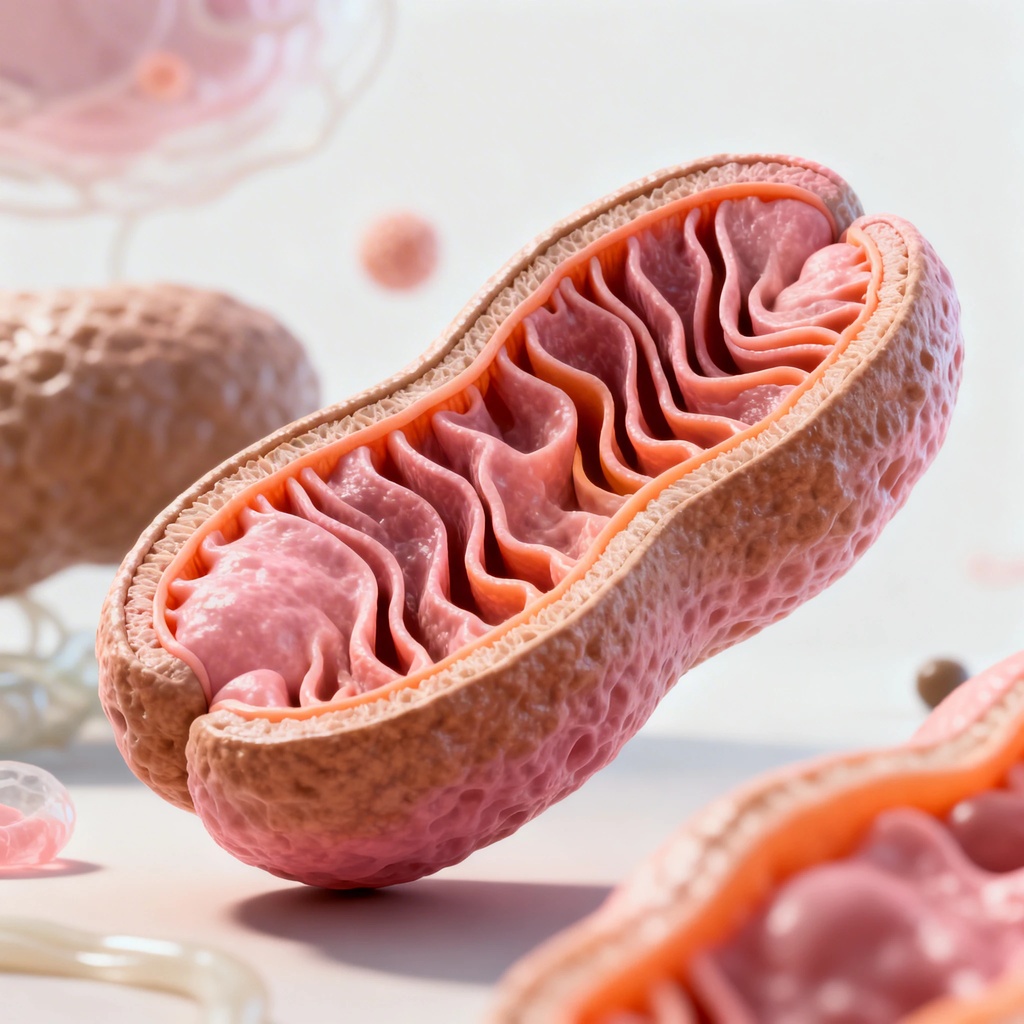
NAD+ (nicotinamide adenine dinucleotide) is not a vitamin or an antioxidant; it is a fundamental coenzyme present in every single cell. Think of it as an indispensable cellular assistant, required for hundreds of metabolic reactions. Its most critical role is in the mitochondria—the cell's power plants—where it acts as a key electron carrier in the process that converts fats, carbs, and proteins into adenosine triphosphate (ATP), the universal currency of cellular energy. Without sufficient NAD+, this energy production line slows down. Beyond fueling metabolism, NAD+ serves as the primary fuel for a family of enzymes called sirtuins, which are involved in essential maintenance tasks like DNA repair, regulating cellular stress responses, and managing inflammation—processes central to healthy aging. Research clearly shows that NAD+ levels decline significantly with age, a drop correlated with reduced mitochondrial efficiency and resilience. The current hype originates from this solid biological fact, but it’s crucial to distinguish the established science of what NAD does from the often exaggerated claims of what simply boosting its levels can achieve for an already healthy individual.

How NAD Supplements Raise Levels and Key Benefits
Directly supplementing with NAD+ is ineffective because it cannot efficiently enter cells. Instead, supplements use "precursors"—molecules the body readily converts into NAD+. The two most common are Nicotinamide Riboside (NR) and Nicotinamide Mononucleotide (NMN). These compounds cleverly bypass a bottleneck in the body’s natural NAD+ synthesis pathway, effectively raising cellular NAD+ concentrations. The proposed nad supplement benefits for energy are rooted in this mechanism: more NAD+ can support more efficient mitochondrial ATP production. For brain health, elevated NAD+ levels may enhance neuronal energy metabolism and support cellular repair pathways, which underpins claims about combating brain fog. In the context of anti-aging, the theory is that by supplying more fuel to sirtuins, you support better DNA repair and cellular "housekeeping." Some animal studies and early human research show promise for metabolic health, cardiovascular function, and neuroprotection. Anecdotal reports from users often cite subtle improvements in mental clarity, a dampening of the afternoon energy crash, and slightly faster recovery from physical exertion.
For more on related topics, see Why your face looks older during stressful years.
The Science of Raising NAD+ Levels
The conversion of NR and NMN to NAD+ occurs through a salvage pathway, which is more efficient than creating NAD+ from scratch. This is why does nad really boost nad levels is generally answered "yes" from a biochemical standpoint—supplementation does increase circulating and cellular NAD+ in many individuals. However, this measurable increase is just the first step; it does not guarantee a downstream functional benefit if the cellular machinery meant to use that NAD+ is compromised or if other lifestyle factors are creating excessive demand.
Common Reasons NAD Doesn't Deliver for Everyone
This is the critical content gap most overview articles miss. A rising NAD+ blood level is a biomarker, not a guarantee of renewed vitality. For the person already eating clean and exercising, there are several reasons why the supplement might underwhelm.
Read more about Is it normal to have no morning erections in your 40s?.
First, a supplement provides only the raw material; it cannot force optimal utilization if other systemic obstacles exist. Chronic psychological stress is a major NAD+ drain. The body uses NAD+ as a substrate for enzymes involved in the stress response (like PARPs), which can deplete pools faster than a supplement can replenish them. Second, compromised sleep quality directly undermines the very cellular repair and maintenance processes that NAD+ supports. You cannot supplement your way out of chronic sleep debt or poor sleep architecture. Third, individual differences in absorption, metabolism, and gut microbiome can affect how efficiently one converts a precursor like NR into usable NAD+. Finally, for an individual with robust baseline health and no significant deficiency, the "room for improvement" is inherently smaller. This often leads to forum posts describing nad fatigue even though I eat healthy. The supplement may address one potential bottleneck, but if your lingering fatigue is rooted in unmanaged stress, hormonal shifts, subclinical inflammation, or other micronutrient gaps, an NAD precursor alone will likely fall short.
It's worth exploring options to support your overall wellness. Let's consider how to integrate NAD boosters effectively.
Realistic Results, Dosage and Timelines
If you decide to try an NAD booster, managing expectations is the most important step. This is not a stimulant. You will not feel a jolt of energy an hour after taking it. For generally healthy individuals noticing age-related dips, benefits are typically subtle and emerge gradually.
Scientific Evidence
A reasonable assessment period is 4 to 8 weeks of consistent, daily use. Common dosages for NR range from 250mg to 300mg daily, with some protocols using up to 600mg. The most frequently reported outcomes are not life-altering shifts but noticeable moderations: the afternoon slump feels less severe, concentration feels slightly more sustained, and recovery from intense exercise seems a bit quicker. It’s about supporting and elevating your baseline function, not creating a superhuman state. A significant caveat is the relative scarcity of large-scale, long-term human trials, which is why sweeping claims about dramatic life extension should be met with cautious optimism. The current evidence supports it as a supportive player in cellular health, not a standalone miracle. A recent review of human studies on NAD+ boosting compounds highlights the need for more research to fully understand their long-term effects and optimal usage Dietary Supplementation With NAD+-Boosting Compounds in Humans: Current Knowledge....
The Brain Health and Cognitive Clarity Connection
Does nad help brain fog? The answer is context-dependent. Brain fog can arise from poor sleep, high stress, systemic inflammation, or reduced blood flow. NAD+ supports fundamental neuronal energy production and health. Therefore, if your cognitive fog has a component related to age-related declines in the energy efficiency of your brain cells, boosting NAD+ could provide a supportive foundation. Many users report a mild but welcome clearing of mental cobwebs and improved ability to switch between tasks. However, if your primary drivers are untreated sleep apnea, overwhelming chronic stress, or specific dietary intolerances, an NAD supplement will likely be a secondary player. It may help optimize an underlying system but cannot override acute, lifestyle-driven causes of cognitive impairment. For the desk-bound professional, it’s one piece of a much larger puzzle that must include mental breaks, stress management, and proper sleep hygiene.You may also want to explore The lifestyle reset many men need after 40.
Let's explore how to make the most of NAD support. Remember, a holistic approach is key.
Long-Term Safety and Potential Side Effects
For most healthy adults, NAD precursors like NR and NMN appear to be well-tolerated over months of use. Questions about is nad supplement safe long term are prudent, given these are relatively new to the consumer market. Reported nad precursor nr side effects are typically mild and may include temporary nausea, mild headaches, fatigue, or digestive discomfort, especially at initiation or higher doses. These often subside as the body adapts. The definitive safety profile over decades is unknown, as it is for many nutraceuticals. A prudent approach for those using it for general wellness is to consider cycling—for example, 4-5 months on followed by a 1-2 month break—to allow the body’s natural NAD+ synthesis pathways to remain engaged. Anyone with pre-existing medical conditions, particularly liver or kidney issues, or who is pregnant, breastfeeding, or has active cancer should consult a healthcare provider before use.
Who Should Try NAD and a Framework for Integration
So, who should take nad supplements? The ideal candidate is someone with a solid lifestyle foundation who is noticing specific, age-related signs of slowing down—like prolonged recovery, less consistent energy throughout the day, and minor cognitive slippage—and wants to add a layer of cellular support. This profile often fits aging athletes, busy professionals under sustained mental strain, or health-conscious individuals in their late 40s and beyond seeking proactive strategies. The most crucial insight is to stop viewing any supplement as a silver bullet. The real power of NAD support comes from strategic integration.
| Approach | Best For | Timeline for Noticeable Effect | Key Consideration |
|---|---|---|---|
| Lifestyle Optimization Only | Those new to health fundamentals or with clear sleep/stress/diet gaps. | 2-8 weeks | Addresses root causes; foundational and cost-effective. May be sufficient on its own. |
| Basic Supplementation Only | Individuals seeking a simple add-on without major lifestyle changes. | 4-8 weeks (subtle) | High risk of disappointment if lifestyle drains are high. Isolated benefits are often minimal. |
| Combined Protocol (Supplement + Lifestyle) | The ideal user: already healthy but seeking an edge against age-related decline. | 2-4 weeks for foundational support, 4+ weeks for synergistic effect | The supplement replenishes the "tank" while lifestyle tweaks reduce the "drain." Offers the greatest potential for tangible results. |
| Advanced Medical Pathways (e.g., under supervision) | Those with specific, diagnosed health conditions related to NAD+ metabolism. | Varies by condition and protocol | Requires professional guidance. Not for general wellness or performance enhancement. |
This means pairing a quality supplement with intentional practices that reduce NAD+ depletion. Prioritize sleep quality and duration—this is non-negotiable. Actively manage stress through practices like meditation, mindful breathing, or time in nature. Support mitochondrial health through a diet rich in protein, healthy fats, colorful phytonutrients, and periodic movement throughout the day, even if you have a desk job. This integrated framework addresses the root drains on your NAD+ reserves while the supplement helps replenish them, creating a synergistic effect far greater than any pill taken in isolation.
Frequently Asked Questions
A: Do not expect immediate, stimulant-like effects. Most users who notice a change report subtle improvements, such as more stable afternoon energy or slightly sharper focus, after 4 to 6 weeks of consistent daily use. It’s a gradual support of foundational cellular processes.
Q: What’s the difference between NR and NMN, and which is better?A: Both are effective precursors that raise NAD+ levels. NR has more direct human safety and absorption data. NMN is larger and may require conversion to NR before entering cells, though research is ongoing. The choice often comes down to product quality, personal tolerance, and cost, as there is no definitive consensus that one is superior for all people.
Q: Can I take an NAD supplement if I'm already healthy and just want an edge?A: Absolutely. This is a common scenario for nad supplement for healthy people. In this case, effects will likely be subtle—supporting optimal cellular function and resilience rather than correcting a major deficit. It should be viewed as one component of a comprehensive health and longevity strategy.
Q: Are there any groups who should avoid NAD supplements?A: Individuals who are pregnant, breastfeeding, or have active cancer should avoid these supplements unless under direct and specific medical supervision. Those with significant liver or kidney disease should also exercise extreme caution and consult a doctor, as the long-term metabolic impact in these populations is not well-studied.
Q: Why might someone not feel any benefits from taking an NAD booster?A: The most common reasons are unresolved lifestyle factors like chronic stress, poor sleep quality, or an underlying health issue that consumes NAD+ rapidly. It can also be due to individual biochemistry, an insufficient dosage, or simply having robust baseline NAD+ levels that leave little room for perceptible improvement.
📌 Love this guide? Save it on Pinterest!
Pin NAD Supplements in 2026: Do They Really Work for Energy & Brain Health? to your board so you can come back to it later.

